
YSU engineering professor earns two NSF grants to study student learning
Faculty Spotlight
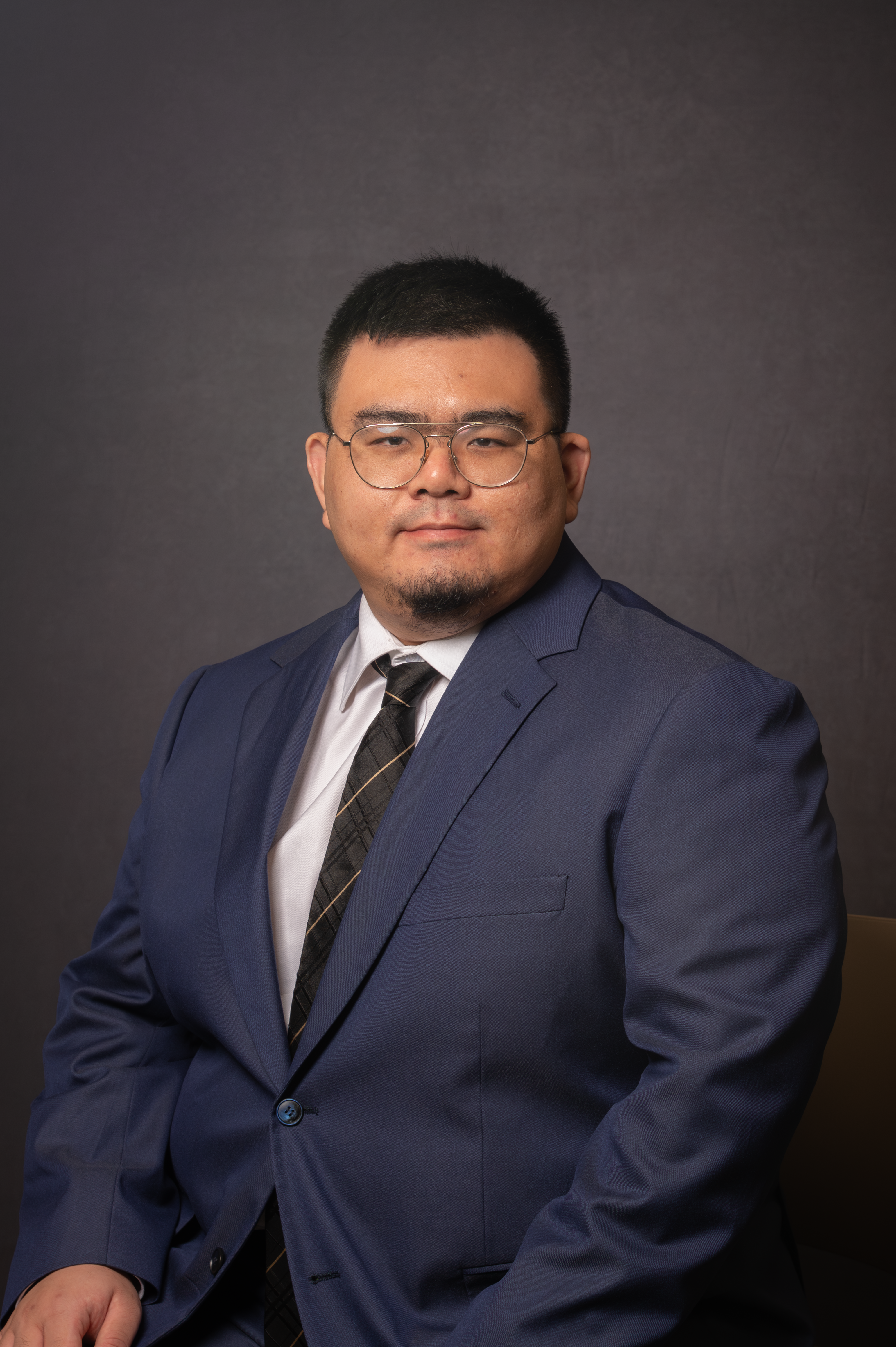
Siqing Wei, assistant professor in the Rayen School of Engineering at Youngstown State University, has received support through two National Science Foundation awards for research on student learning, teamwork and educational technology. One project will examine how students’ cultural strengths can support collaboration in engineering courses; the other will study how learning theory can inform the design of educational AI tools.
The project, “Bridging Engineering Identity & Retention with Cultural Wealth & Collaborative Project-Based Learning,” will study how community cultural wealth can inform collaborative, project-based learning in early engineering courses. Wei serves as a mentor to the project’s principal investigator, an engineering faculty member, at the University of Houston-Clearwater, beginning a research program in engineering education.
The project uses community cultural wealth, an asset-based framework, to recognize strengths students bring from their families, communities, languages and life experiences. The researchers will explore how those strengths can support teamwork and help students connect their experiences through engineering.
“We want students to reflect on the unique perspectives they bring to teamwork and engineering projects,” Wei said. “That can help them feel proud of themselves and their communities, and encourage them to continue their engineering studies.”
The team is developing instructional materials and activities that will incorporate the framework into team training and hands-on engineering projects. Researchers will examine students’ teamwork, sense of belonging and engineering identity, as well as how those experiences relate to persistence in the field.
Wei is also a co-principal investigator on another NSF-supported project, “Principles for Inclusive Design and Educational Theory in Generative AI Tool Creation”. The collaboration will investigate whether educational theories inform the design of AI tools and develop principles to guide future tool creators.
The project will first examine existing approaches to designing educational AI tools. Researchers then plan to study how students experience a generative AI-powered chatbot designed to support learning in computing courses. The chatbot will be used in classes at YSU, the University of Michigan and the University of Cincinnati.
At YSU, Wei will help lead the project’s campus research. He said YSU’s role is valuable because its students can broaden the range of experiences represented in research on education AI. The team is also examining whether published studies have sufficiently described who participates in tool testing, including students’ language and socioeconomic backgrounds.
“If the evidence we rely on is biased towards a narrow group of students, the tools may not benefit the students who need them most,” Wei said.
The two awards support distinct projects, but reflect Wei’s focus on improving engineering education through research. Their findings are intended to help educators, researchers and tool creators make better-informed decisions about teaching and technology.
For Wei, winning NSF support is both a professional milestone and an opportunity to investigate questions that remain open in the field. “You have to be on the front edge to be able to get funded,” he said. “The nature of our research is to investigate something we don’t know yet.”