
YSU engineering professor earns two national honors for engineering education research
Faculty Spotlight
Youngstown State University faculty member Siqing Wei is earning national recognition for research aimed at improving how engineering students learn, collaborate and succeed.
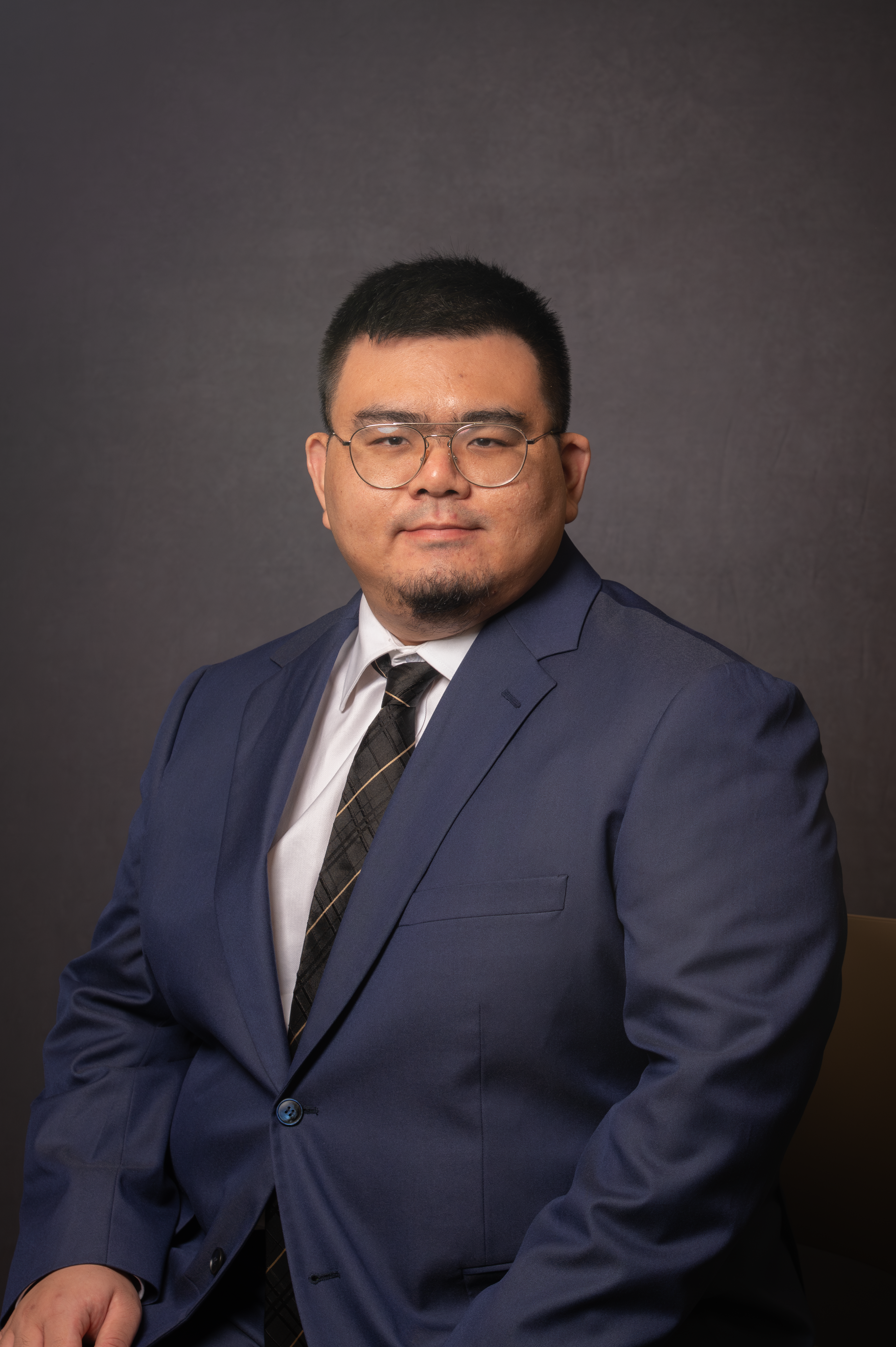
Wei, assistant professor in the Rayen School of Engineering, recently received the Apprentice Faculty Grant Award from the Engineering Research Methods Division of the American Society for Engineering Education, one of the organization’s highest honors for early-career engineering education scholars. He also received the division’s Best Paper Award for research examining barriers community college transfers face when navigating university websites for transfer information.
The Apprentice Faculty Grant Award recognizes emerging scholars who demonstrate significant potential to advance engineering education through research, leadership and service to the profession.
“For me, this represents an accumulation of everything I’ve worked toward throughout my academic journey,” Wei said. “My research is guided by one central question: How can engineering learning environments be designed so that diverse students participate fully and benefit equally? Receiving this recognition encourages me to continue pursuing work that helps create better learning experiences for students.”
Wei’s research focuses on improving engineering education through intentional course design, teamwork and the thoughtful integration of emerging technologies such as artificial intelligence. Rather than studying engineering itself, his work examines how students learn engineering most effectively and how educators can build environments that help all students succeed.
His award-winning paper explored how institutional websites can unintentionally create barriers for transfer students seeking information about transferring credits and degree requirements. The research found that website design, rather than students’ abilities, often presents obstacles to accessing the information they need. Wei credited his co-authors, Yunmeng Han, a graduate student at the University of Cincinnati, and David Reeping, assistant professor of engineering and computing education at the University of Cincinnati, for their contributions to the award-winning research.
“At first glance, it seems like a simple question – how students navigate a website,” Wei said. “But what we’re really examining is how institutional systems can either support or hinder student success. That’s why this work resonated with the engineering education community.”
Wei brings those same research principles into the classroom at YSU, where he teaches first-year engineering students. His courses emphasize authentic teamwork designed to mirror professional engineering environments while helping students develop confidence, resilience and a growth mindset.
He is also exploring how students can effectively use artificial intelligence as a learning tool by developing the skills needed to ask better questions and solve problems more effectively.
“We’re preparing students for the realities they’ll encounter throughout their careers,” Wei said. Engineering is about learning how to approach challenges, collaborate with others and continue growing, even when something feels difficult.”
Wei credits two mentors with shaping his career as an engineering education researcher. He said Matthew Ohland, associate head of engineering education and Dale and Suzi Gallagher Professor in Engineering Education at Purdue University, served as his doctoral advisor and taught him the importance of asking research questions that make a meaningful impact. He also recognized Reeping, his postdoctoral advisor, for broadening his research perspective, introducing him to new research methodologies and helping expand his scholarship beyond the classroom. Wei also credited Reeping’s research group, which includes graduate and undergraduate students, with influencing his own mentoring philosophy and approach to developing future researchers.
Entering his second year at YSU, Wei said the university provides a unique environment for engineering education research. He is studying how YSU’s approach to introducing students to engineering competition teams and professional organizations from their first year through graduation fosters collaboration, strengthens peer mentorship and contributes to long-term student success.
“YSU has created an environment where we can study educational practices that are unique to institutions like ours,” Wei said. “I’m excited to continue building scholarship here while contributing to the broader engineering education community.”
Wei said he hopes his research will continue to strengthen engineering education both at YSU and nationally by helping institutions design learning environments where all students have the opportunity to thrive.